
What Are the Best Materials for Wigs?
Choosing the right wig involves more than just selecting a style—it’s about finding the perfect balance between appearance, comfort, maintenance, and budget. With so many options available, understanding the differences between human hair wigs, synthetic fiber wigs, and blended wigs can help you make a confident and informed decision. Each type offers unique benefits, from the natural look and styling flexibility of human hair to the affordability and convenience of synthetic options. By exploring these distinctions, you can better determine which wig aligns with your lifestyle, preferences, and long-term needs.
Wigs today are used for a variety of reasons, including fashion, convenience, and medical needs such as hair loss. This makes selecting the right type even more important, as comfort and realism can significantly impact confidence and daily wear. Factors like climate, frequency of use, and styling preferences all play a role in determining the best option.
1. Human Hair Wigs
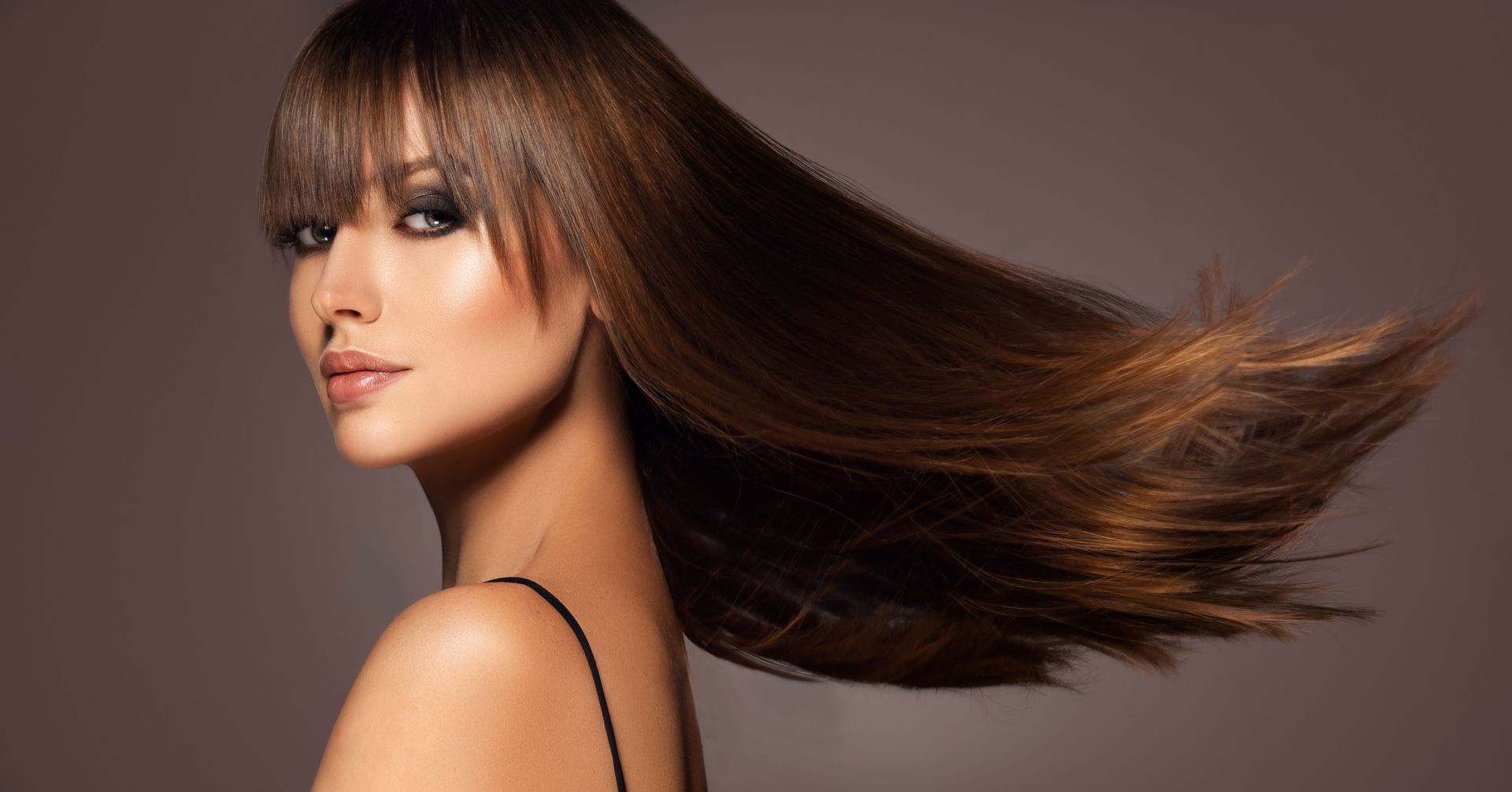
Human hair wigs offer a natural appearance, unmatched by most synthetic options. They mimic the look and feel of natural hair because they are made from actual human hair. These wigs can be styled using traditional heating tools like blow dryers, curling irons, and straighteners. Their natural texture and shine often make them indistinguishable from real hair when properly maintained. Furthermore, human hair wigs tend to be durable, offering extended longevity with proper care.
The versatility of styling is another hallmark of human hair wigs. Wearers can cut, color, and style their wigs, offering the freedom to change looks as desired. This adaptability makes them a favorite among those who wear wigs regularly. Despite their advantages, human hair wigs require significant maintenance compared to their synthetic counterparts. Over time, continuous styling and washing can lead to wear, requiring expertise in wig care.
Human hair wigs come in different types, such as Asian, Indian, and European, each offering distinct qualities. Asian hair is typically straight, thick, and coarse, making it suitable for poker-straight styles. Indian hair, on the other hand, is known for its fullness and inherent wave, making it versatile for various styles. European hair, often softer and thinner, is prized for its luxurious feel and natural look. These variations cater to diverse preferences and needs.
The primary benefit of human hair wigs is their realistic appearance. This quality is particularly important for users aiming for an authentic look, such as those experiencing hair loss. The unmatched styling freedom is another significant advantage, allowing users to treat their wigs like natural hair. This capability extends to the use of dyes, which preserves the option for drastic change when the mood strikes. The longevity of human hair wigs is an additional benefit, often making them a worthwhile investment.
Human hair wigs provide unparalleled comfort due to their breathable nature. They adjust more naturally to scalp temperatures, reducing irritation and discomfort. Comfort is particularly crucial for long-duration wearers, ensuring that the wig feels comfortable throughout use. They also retain their color longer, provided they are cared for properly, aiding in maintaining the wig’s overall appearance. In addition, their ability to absorb moisture helps retain natural-looking styles without excessive product use.
Despite their cost, human hair wigs are often a financially sound choice in the long run. Their longevity means fewer replacements over time, extending the value of the initial investment. These wigs also gain admiration for their ease in blending with natural hair, should wearers wish to incorporate visible hairlines or partial natural hair. The customization possibilities contribute to a more personalized look, enhancing confidence. Consequently, human hair wigs often serve as the choice for regular wig wearers seeking quality.
2. Synthetic Fiber Wigs
Synthetic wigs are primarily made from manufactured fibers such as acrylic, polyester, and polyvinyl. Each type of fiber offers distinct characteristics, such as durability and shine, making them easily distinguishable from human hair. These wigs are factory-produced with precision to replicate the look of natural hair. Fibers like Kanekalon are known for their softness and natural appearance, widely used in high-quality synthetic wigs. Unlike human hair, these fibers hold their shape and style, offering ease of use.
Today's synthetic wigs have advanced significantly, offering more realistic textures and appearances. According to Gitnux.org, over 70% of wigs and hairpieces sold in the U.S. are made from synthetic fibers. Despite not being as versatile as human hair wigs, their lower price point appeals to a broad audience. Specialty fibers specifically designed for heat styling increase the appeal of synthetic options. These allow users to change styles using heat tools, albeit to a limited degree.
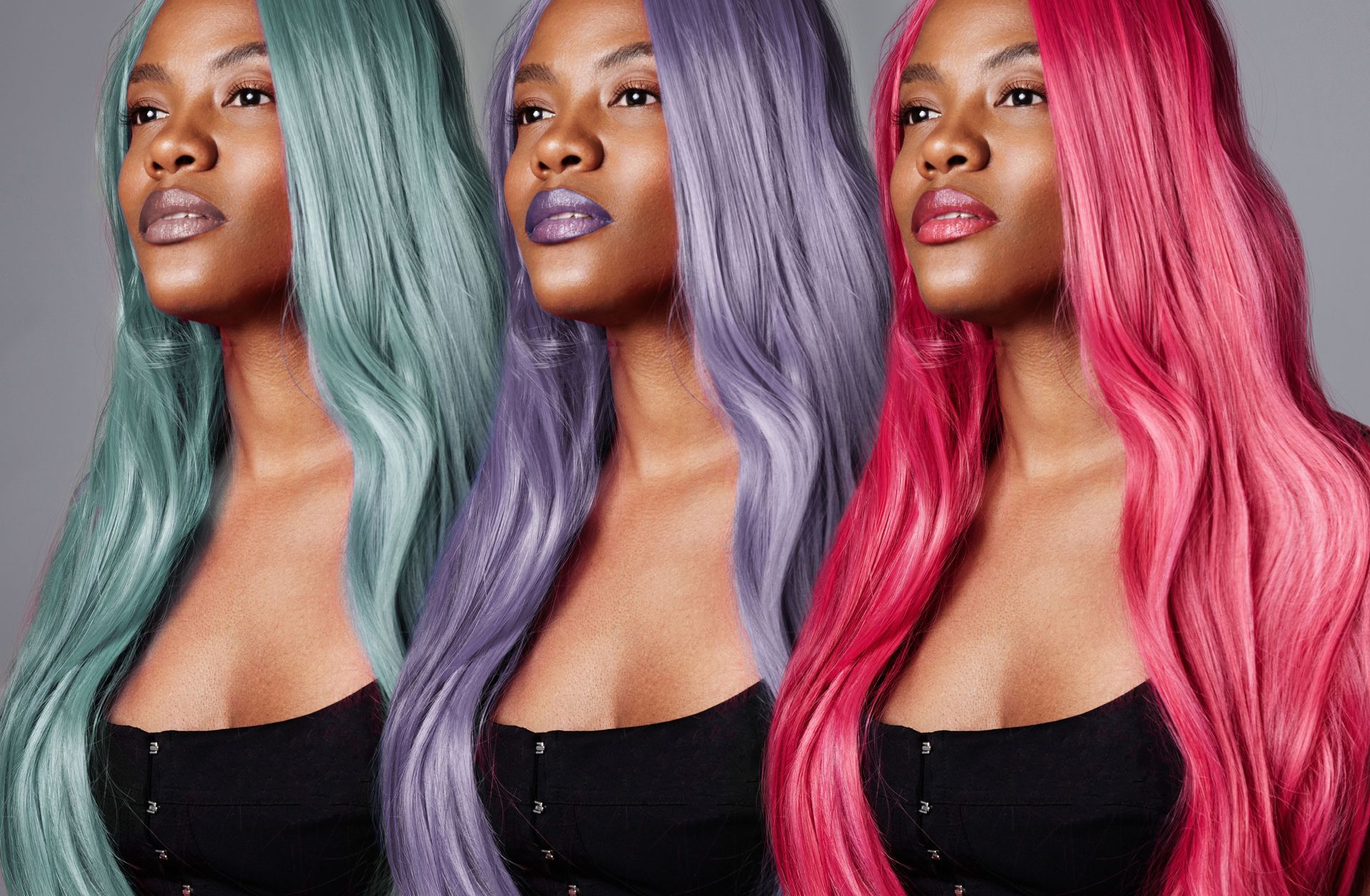
The color variety in synthetic wigs is wide, with options not typically available in natural hair wigs. Fantasy shades, ombre styles, and highlights can be achieved with precision during manufacturing. The vibrant array of colors caters to fashion-forward users or those seeking bold looks. The colorfastness of synthetic wigs ensures minimal fading, maintaining vibrant appearances across their lifetime. This advantage contributes to their strong presence in the fashion and entertainment industries, where versatility is prized.
3. Blended Wigs
Blended wigs consist of a combination of human hair and synthetic fibers, merging the benefits of both materials. This arrangement aims to maximize the strengths of each type, crafting a product that offers a natural appearance with simplified maintenance. They often contain a higher percentage of synthetic fibers, striking a balance between affordability and authenticity. Industry advances in fiber technology have improved their natural look, gaining wider acceptance among varied clients. This innovation helps overcome limitations faced by pure synthetic or human hair options.
The hybrid nature of blended wigs extends across a broad range of styles and preferences. Users often encounter considerable choice regarding length, volume, color, and style due to the versatile nature of blended wigs. This versatility aligns with the consumers' demand for extensive options, traditionally afforded primarily through human hair wigs. Furthermore, their design facilitates easier styling while maintaining a more authentic look than pure synthetic options. These characteristics enable users to enjoy stylistic flexibility without the substantial cost of full human hair wigs.
The combination method allows damage and heat resistance typical of synthetic wigs, yet boasts more adaptable style capabilities. Tailoring features such as texture, wave, or color customization becomes easier with the blended composition. These wigs often possess an enhanced, sleek finish, enhancing their appeal to users pursuing new looks. Many manufacturers use advanced techniques to bind fibers harmoniously, resulting in a cohesive and seamless look. Consequently, blended wigs remain a widely favored option for combining value with practicality.
Ultimately, the best wig for you depends on your priorities and how you plan to wear it. Human hair wigs provide unmatched realism and versatility, making them ideal for those seeking a natural, customizable look. Synthetic wigs offer convenience, vibrant color options, and low maintenance, appealing to users who want a ready-to-wear solution. Blended wigs bridge the gap, delivering a balance of affordability, durability, and a natural appearance. Each option serves a different purpose, ensuring there is a suitable choice for every individual.
If you’re unsure which wig type is right for you, don’t leave your decision to guesswork. Reach out to a trusted wig specialist at Hana Designs who can guide you through your options, help you find the perfect fit, and ensure you feel confident and comfortable with your choice.




Share On: